Our products contribute to environmental protection
Sustainability
Our products contribute to environmental protection
Carbon footprint
As part of our environmental commitment, we calculate the carbon footprint of our activity in order to understand, measure and control the impact associated with our production processes.
This calculation allows us to identify the main sources of emissions and establish a decarbonisation plan with annual improvement targets. In this way, we can progressively move towards a real reduction in emissions, optimising energy consumption, improving process efficiency and promoting measures aimed at more sustainable manufacturing.
Adhesion to OCS
As part of our commitment to sustainability and environmental protection, we have joined Operation Clean Sweep (OCS), an initiative aimed at preventing the loss of plastic pellets during production, handling and storage processes.
Through this membership, we work to achieve 100% containment and the goal of zero pellet loss, helping to reduce environmental impact and promote more responsible industrial practices.
Following these guidelines
1. Make the goal of 0 pellet loss a priority 2. Assess the situation and needs of our company 3. Make the necessary improvements to facilities and equipment 4. Raise awareness among workers and create a sense of responsibility 5. Monitor and comply with the established procedures
Through these actions, we contribute to reducing the impact on the aquatic environments and reduce material waste in order to maximise the use of raw materials.
Recycled materials
At Numa, we actively contribute to the circular economy by integrating criteria for the reuse and recovery of materials into our production process.
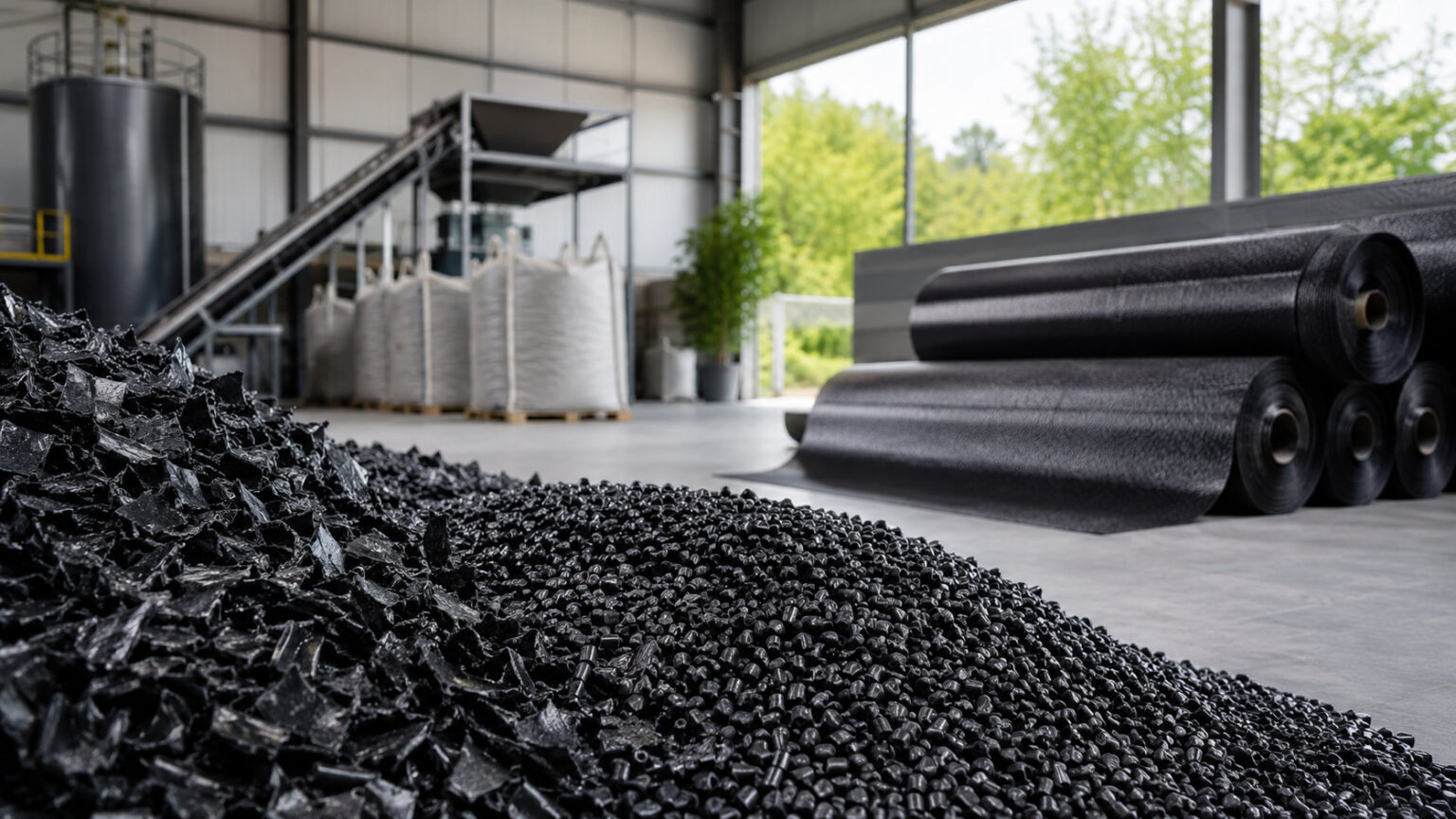
In our PVC line, we use 100% recycled material to manufacture PVC membranes intended for applications not exposed to weather conditions, giving plastic materials a new life and reducing the consumption of virgin raw materials.
In addition, all surplus material generated during the manufacturing process, such as offcuts, machine anomalies or material that does not meet the established requirements, is separated and recovered internally. This waste, which represents approximately 0.05% of production, is shredded using an industrial mill and, whenever the technical specifications of the product allow it, reincorporated into the geomembrane manufacturing process.
In this way, we reduce waste, optimise resources and move towards more efficient and sustainable production.
Solar energy
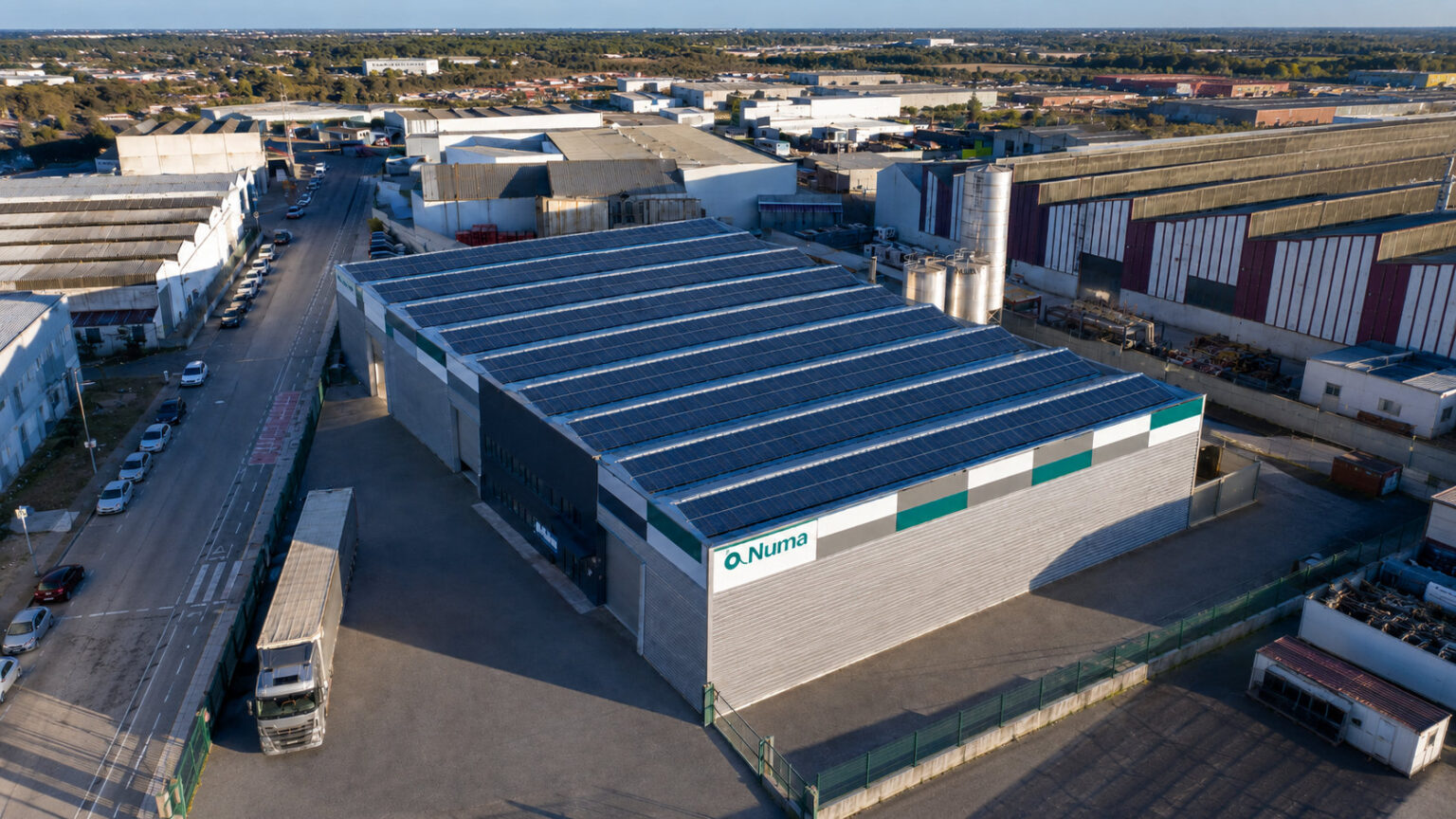
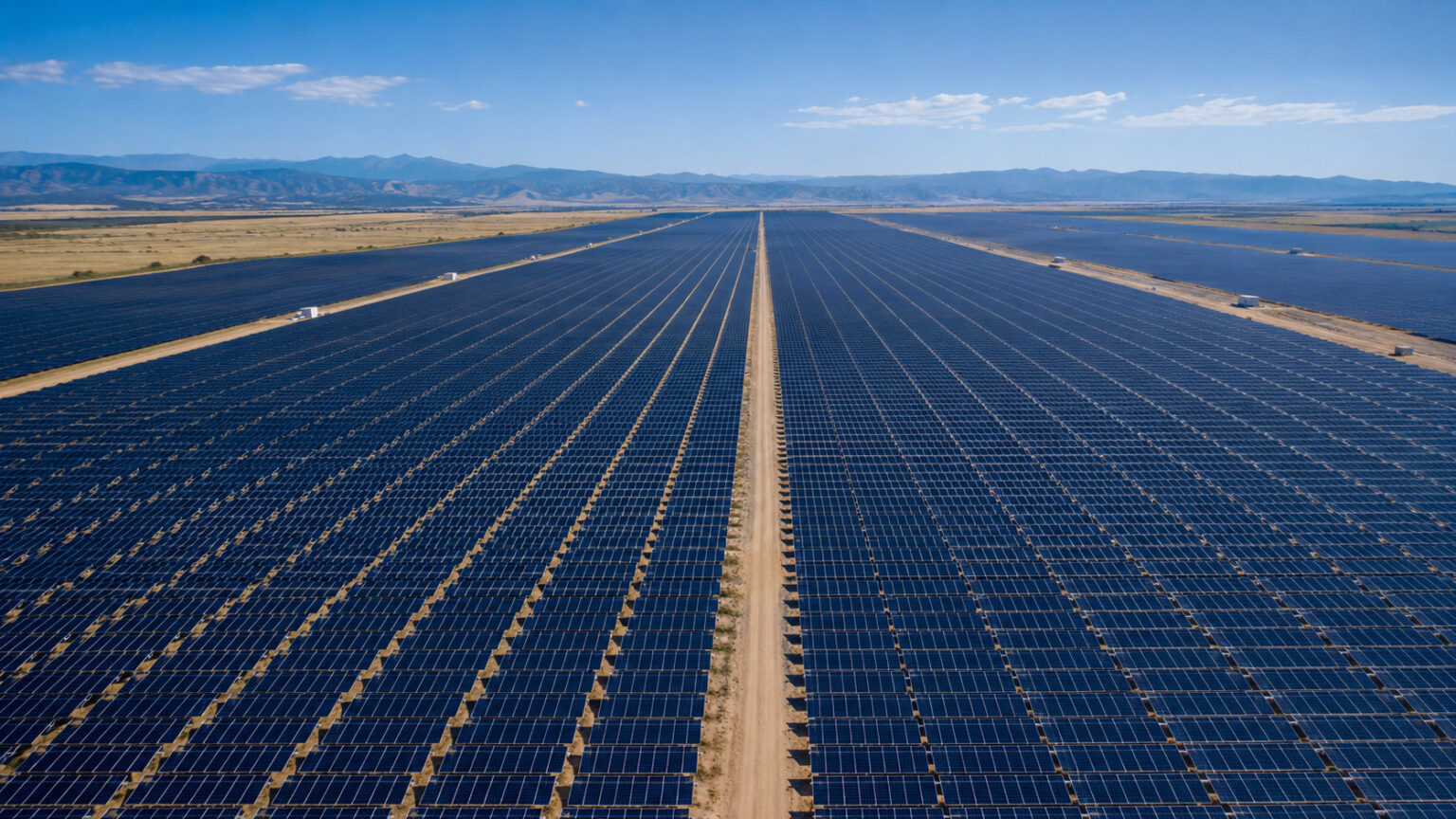
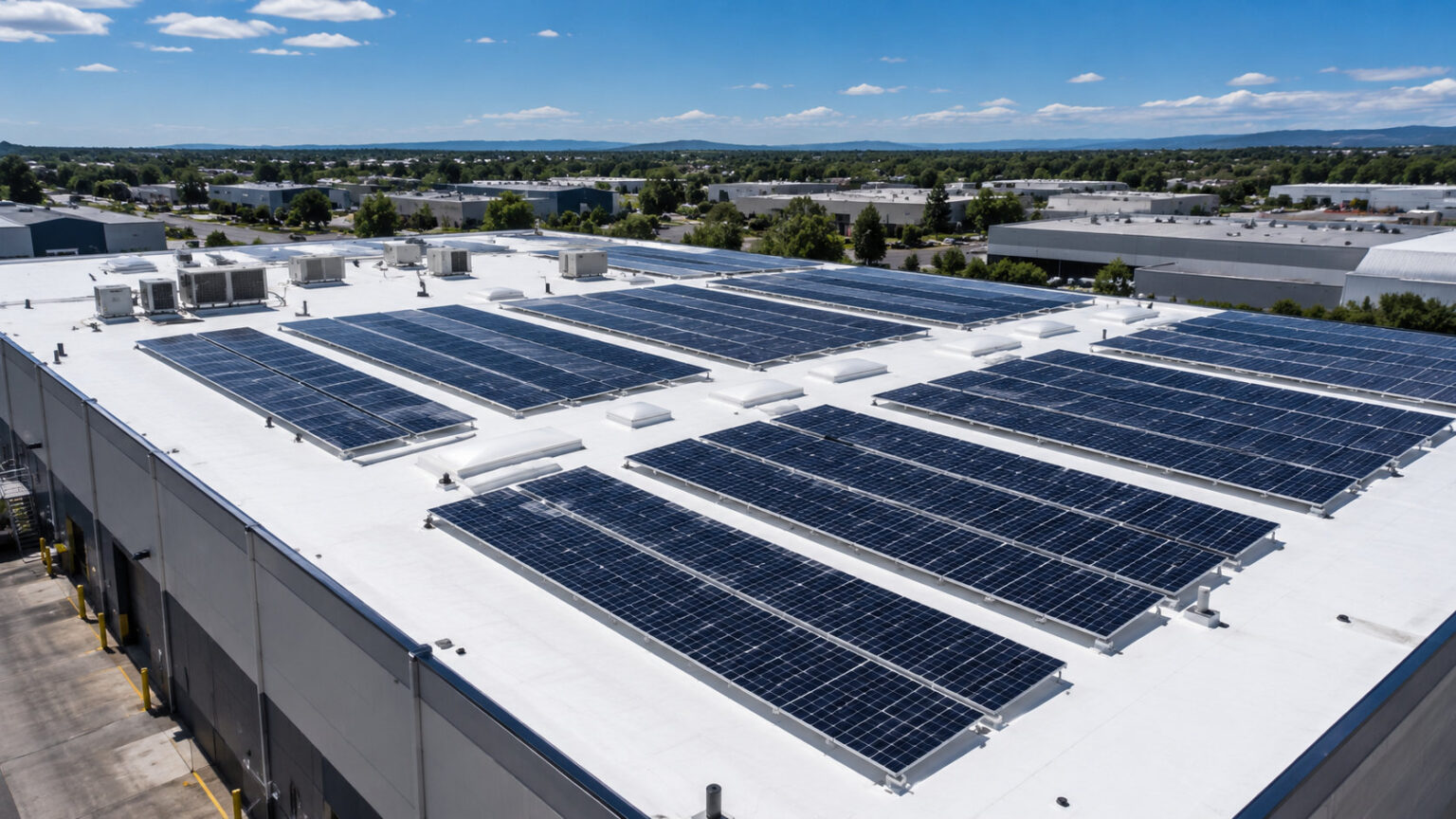
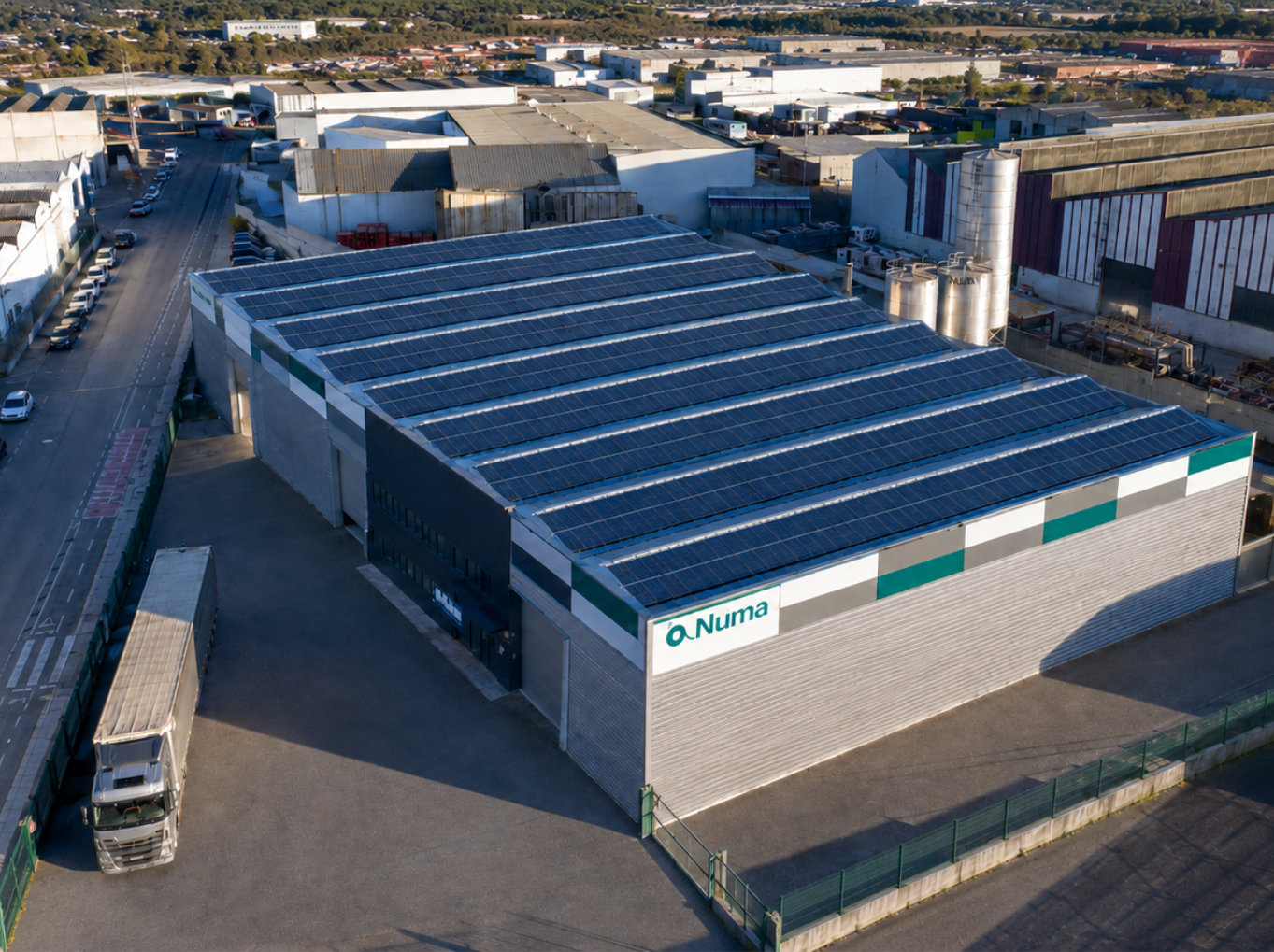
We are also committed to the use of solar energy as part of our commitment to more sustainable manufacturing. Part of the energy we use in our facilities comes from renewable sources, allowing us to reduce the environmental impact of our industrial activity and move towards a more responsible production model.
We currently have more than 2,500 m² of roof area with solar panels and, with the construction of the new adjacent warehouse, we will exceed 3,700 m² dedicated to renewable energy generation.
Environmental commitment
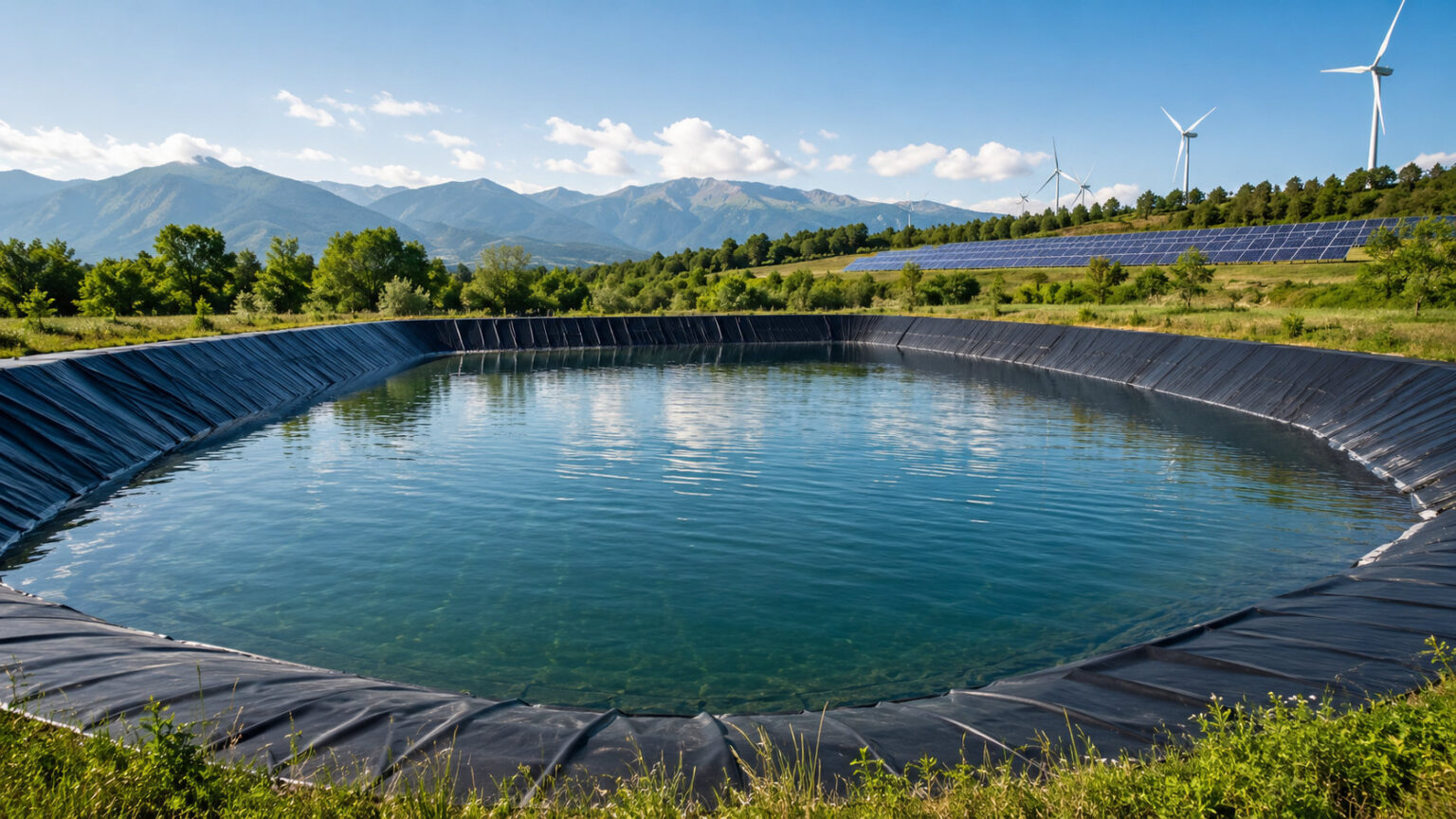
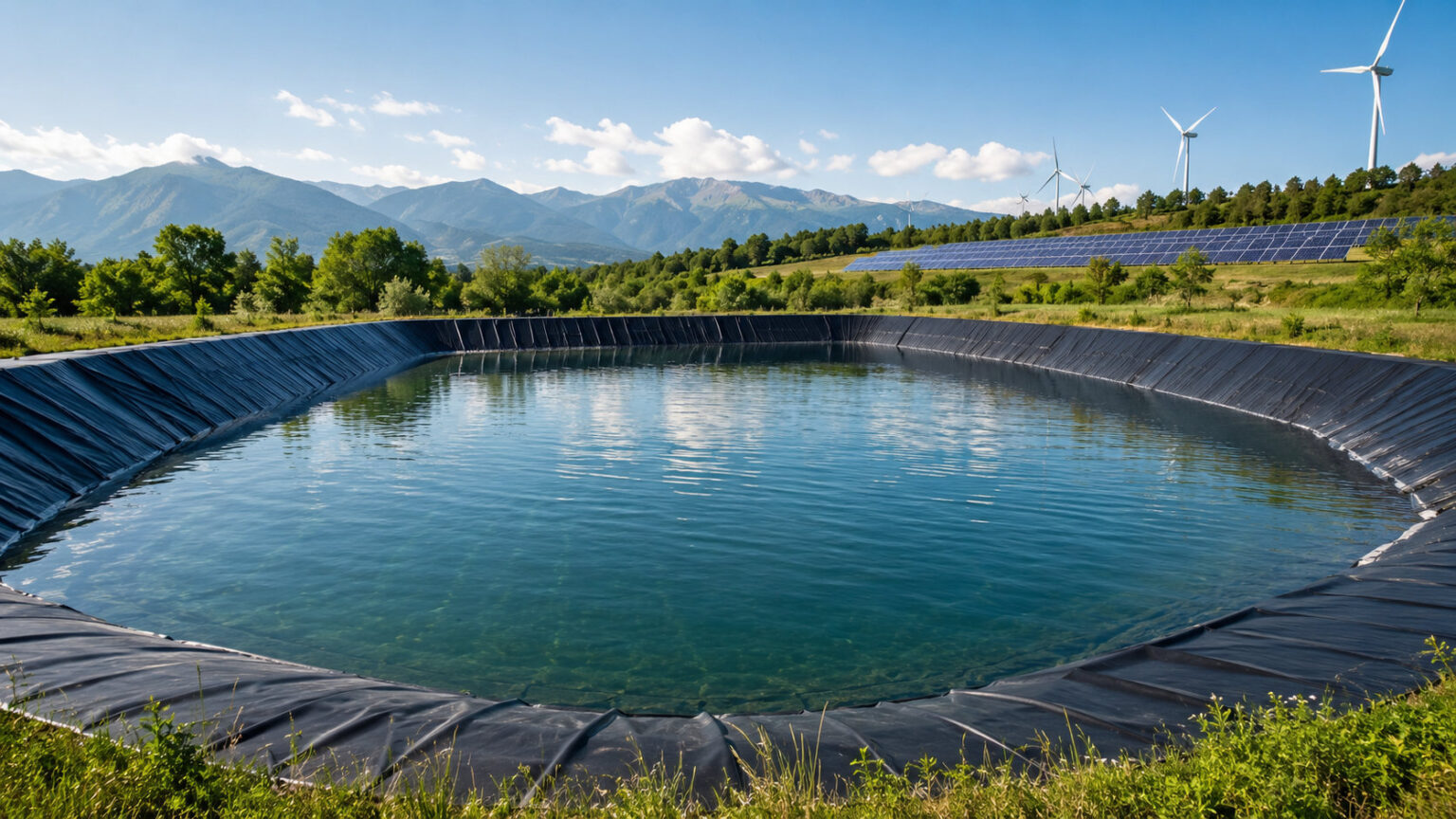
Our products also contribute, in many of their applications, to the protection of the environment. The geomembranes and waterproofing membranes we manufacture are used in projects where containment, waterproofing and the protection of soil and water are essential.
These solutions help prevent leaks, protect water resources, control leachates, waterproof ponds, canals, tanks and environmental facilities, as well as ensure safer water and waste management.
In this way, our products not only fulfil a technical function, but also form part of projects aimed at reducing environmental risks, preserving natural resources and promoting safer and more sustainable infrastructures.